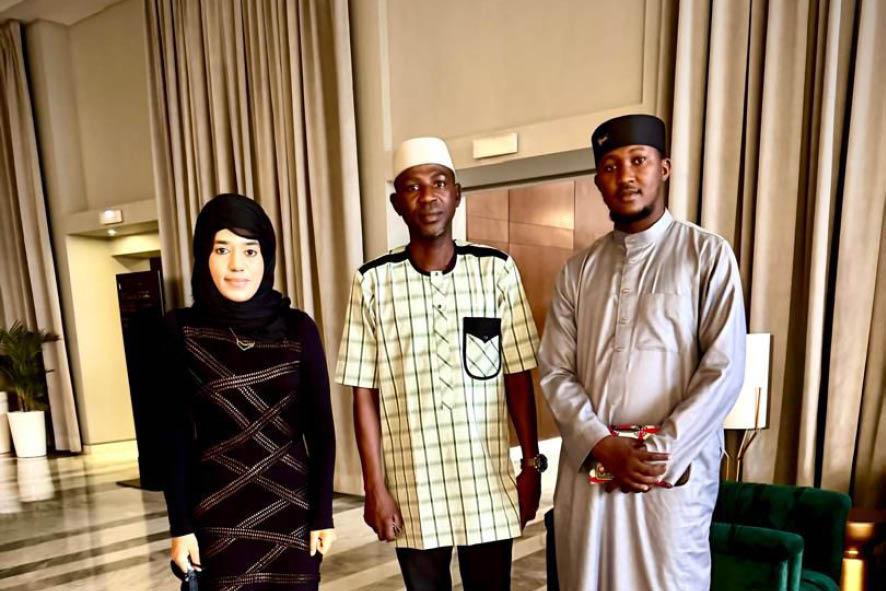
Just days before the Nairobi Declaration 2024, I had the honor of meeting with a group of journalists affiliated with the African Media Union Council in one of the West African countries, along with members of the African Friendship Council, led by the Council’s President, Mr. Zakaria Jarasoba, and the Deputy for Foreign Affairs, Mr. Wataraa.
Given that the Sudanese crisis and its ongoing developments constitute the most pressing topic in Francophone African media, members of both councils raised the issue of whether Arab media could potentially support one of the most prominent emerging alliances in West Africa, known in French as “Un devoir africain sacré” (“A Sacred African Duty” in Arabic). This alliance is regarded by African political elites as one of the most significant outcomes of the Sudanese crisis, especially following the growing wave of popular solidarity with the Sudanese army. These elites have increasingly referenced the alliance in both press and political discourse as part of a “new” African popular diplomacy, which has emerged in the wake of the liberation movements that swept across the Sahel region and now aspires to expand its influence into East Africa.
My response to the members of the two councils was clear and summarized in the following statement:
“Honorable Council Members, in order for your African duty to remain ‘sacred,’ as you have described it, to preserve its intended role, and to achieve its goals free from infiltration and sabotage, I sincerely hope you will keep it away from any foreign element—whether Arab or Western. Let your alliance remain a purely African one, as it was born.”
— Dr. Amina Al-Araimi


