Just before the visit of Lieutenant General Shamsuddin Kabbashi to the African Sahel countries last June, I was invited as a guest on one of the French-speaking African media platforms in a West African country. Although the agreed-upon theme of the meeting was related to the future of Gulf-African relations and mechanisms for their development, the African host asked if he could change the subject to focus on the visit of General Kabbashi to the African Sahel, considering it as the most significant African event that would undoubtedly add a new strategic dimension to the future of Sudanese-African relations. As soon as I agreed, the African host asked me the following question: “Was it necessary for a war to occur in Sudan for Khartoum to turn its attention westward? And what is the historical admiration most Africans have for Sudan in particular?” Upon hearing this question, I felt an internal spark that pushed me to reconsider the perspective of West African “Francophone” Africans, delving into their view of Sudan, which is quite different from that of West African “Arabophone” Africans. This is a topic we will address further in the future.
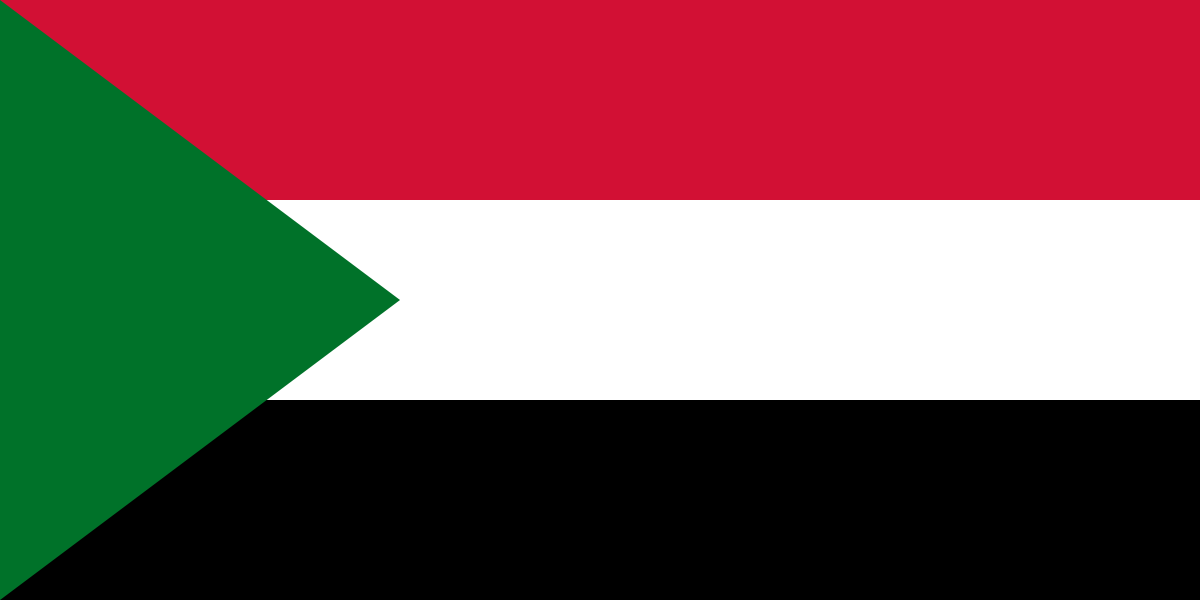
The visit of the Chairman of the Sovereign Council, Lieutenant General Abdel Fattah Al-Burhan, to the West African region, including “Mali, Senegal, Guinea-Bissau, Sierra Leone,” is a continuation of General Kabbashi’s visit to the Sahel countries last June and an enhancement of Sudan’s new strategy toward the West African countries, which have, for decades, been seeking to strengthen ties with Khartoum, despite the historical factors that have distanced Sudan from its regional neighbors. Khartoum does not need much effort to achieve this, as evidenced by the fact that once African media channels announced General Al-Burhan’s visit to some West African countries, the phrase “Accueillir ne suffit pas” (which means “Welcoming is not enough”) was heard. This phrase is often repeated by some West African political elites whenever a political leader, who enjoys popular and psychological acceptance, visits them.
I believe Khartoum should invest this important visit in the following tasks:
- In Senegal: It is recommended to meet with Brigadier General “El Hadji Daouda,” a prominent intelligence officer in the Senegalese government under President “Baciro Faye.” Daouda is significant for his efforts to enhance security and intelligence cooperation with African countries and for his creation in 2022 of new mechanisms for security cooperation with all African security agencies, including the establishment of a new department called the “Intelligence Research Department.”
- Familiarize with the activities of the Senegalese Investors Club, which is one of the main supporters of Senegalese Prime Minister “Ousmane Sonko,” who has been a supporter of Sonko since his opposition to former President “Macky Sall.”
- Sudan and Dakar share a common ground with the dominance of Sufi orders in social life, which has also impacted cultural life. In some West African countries, these orders are a significant political tool for gaining power. Therefore, Sudan could develop soft-power tools in this area, and Sudanese religious delegations could visit the city of “Touba,” a religious stronghold in Senegal, to foster closer ties.
- Address the issue of the French mining group “Eramet,” which operates the mineral sands project in Senegal and is accused by some national fronts of damaging the environment by depleting water resources and mistreating local communities. The purpose of addressing this issue is to gain insight into the company’s operations as “Eramet” is reportedly planning to start projects in Sudan soon.
- In Mali: Convince the political leadership in Bamako to adopt Sudan’s security alliance policy, supported by the new “Liptako-Gourma” Sahel countries, which will bring Sudan closer to the rest of the Sahel countries, especially with Sudan’s recent rapprochement with Moscow, which will ease this task for Sudanese diplomacy in front of “Liptako-Gourma.”
- Meet with civil society organizations and representatives of major political parties in Mali, as they play a pivotal role in influencing public opinion and in supporting Sudanese sovereignty in the Sahel region.
- Activate Sudanese diplomatic missions in all West African countries to facilitate Sudanese participation in seminars discussing Sudanese issues in some Francophone capitals, highlighting the risks posed by the Rapid Support Forces’ cross-border activities, which threaten not only Sudan but also the broader Sahel region.
- In Sierra Leone: Discuss Sierra Leone’s efforts to contribute its armed forces to UN peacekeeping missions in South Sudan and Ethiopia.
- In Guinea-Bissau: Explore the activities of former Guinean Prime Minister “Domingos Pereira,” who formed an exiled Guinean parliament in Portugal and is trying to persuade Senegalese President “Baciro Faye” to influence Guinean President “Umaro Sissoco Embalo” to return to constitutional rule. This situation has led to cautious relations between Bissau and Dakar due to Pereira’s closeness to the Senegalese executive.
Security
- Mobilize Sudanese factions and elements of the Sudanese People’s Force across the region and redirect them to West Africa in preparation to thwart the cross-border Rapid Support Forces project, or the so-called “extended Arab state,” and to undermine the attempts of Rapid Support Forces’ leader in Darfur, “Issam Al-Din Saleh Fadhal,” after the death of Major General “Ali Yaqub.” These factions have contributed to training and developing several armed African factions, which will ease their tasks.
- Send a Sudanese security delegation to inspect operations related to groups supporting the Rapid Support Forces, which are involved in military operations against the Sudanese army. This would be a successful entry point to strengthen Sudanese security institutions, positively impacting Sudan’s relations with its regional neighbors in line with Sudan’s security vision to thwart Rapid Support Forces’ activities.
Culturally
Hold meetings with African students who graduated from Sudanese universities, especially those who have acquired extensive knowledge of their societies. This would help develop Sudan’s diplomatic tools in the region, and these students could play supporting roles in Sudan’s new strategy in West Africa.
Organize meetings with heads and members of African friendship councils, known as “Honneur Africain” in French, whose members owe loyalty to Sudanese academic institutions. Many of them have risen to the highest positions in their countries, evidenced by projects like “Développement institutionnel dans les ministères souverains” (Institutional Development in Sovereign Ministries), led by Sudanese academic graduates, who are entrusted with African relations files
.
Media
Intensify Sudanese media presence in African media outlets to accurately convey Sudan’s situation. To achieve this, Sudan should activate the activities of the “Al-Alamiya” channel, affiliated with the Faculty of Media and Communication at the International University of Africa, which plays a significant role in developing African students working in influential African media outlets. These students could be utilized to spread Sudan’s voice to West African societies in various languages.
A scholarly contribution by the researcher is available at the following link:
ما بين السودان والسودان الغربي “تقارب طال إنتظاره”
Dr. Amina Al-Arimi
An Emirati researcher specializing in African affairs.


